Elephant ride up to Amber Fort
The observatory and the Maharaja's Palace, in Jaipur
India
Delhi, Jaipur, Agra and Varanasi, with seven dinners included
Highlights
Nine days through Delhi, Jaipur, Agra and Varanasi, with a Spanish-speaking tour leader on days 2 to 6 and seven dinners. The itinerary includes Amber Fort with an elephant ride, the Taj Mahal, the train to Varanasi and a boat ride on the Ganges at dawn.
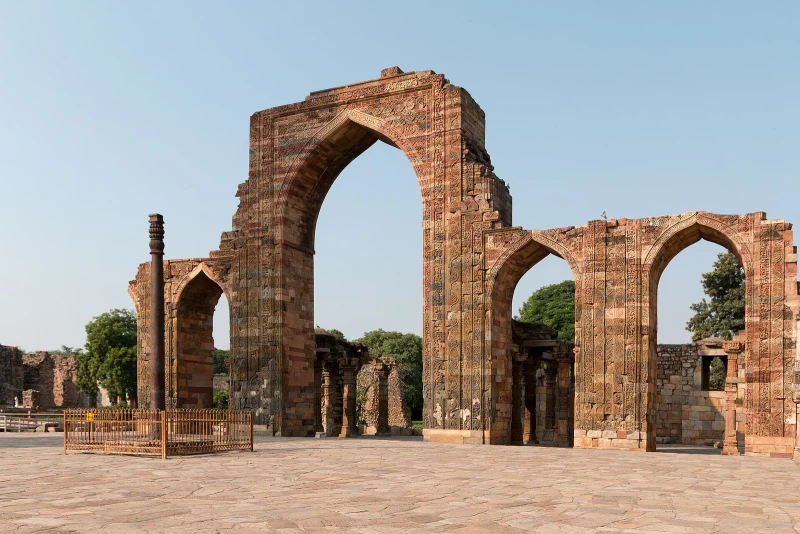
Chandni Chowk and Jama Masjid, and the Qutub Minar in New Delhi
The observatory and the Maharaja's Palace, in Jaipur
On the way to Agra
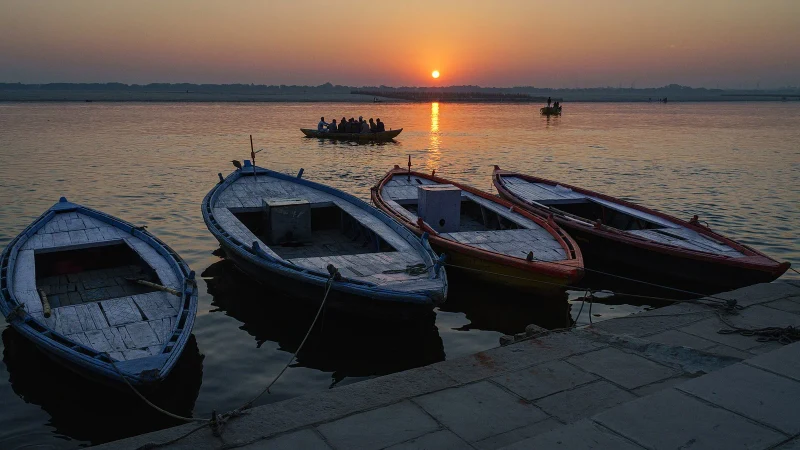
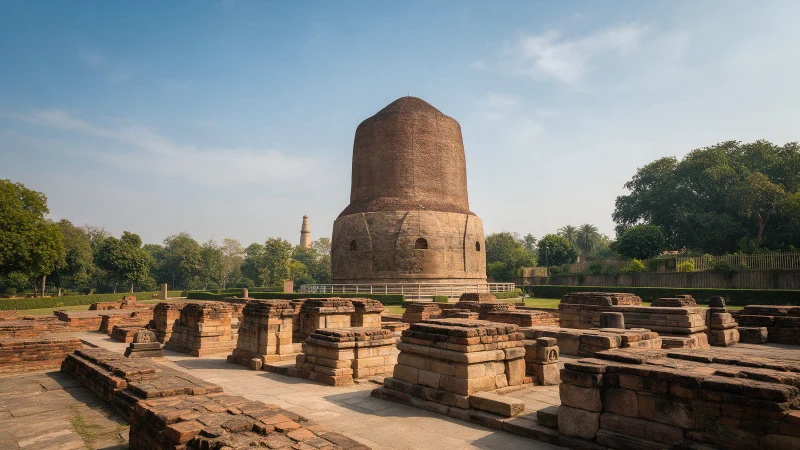
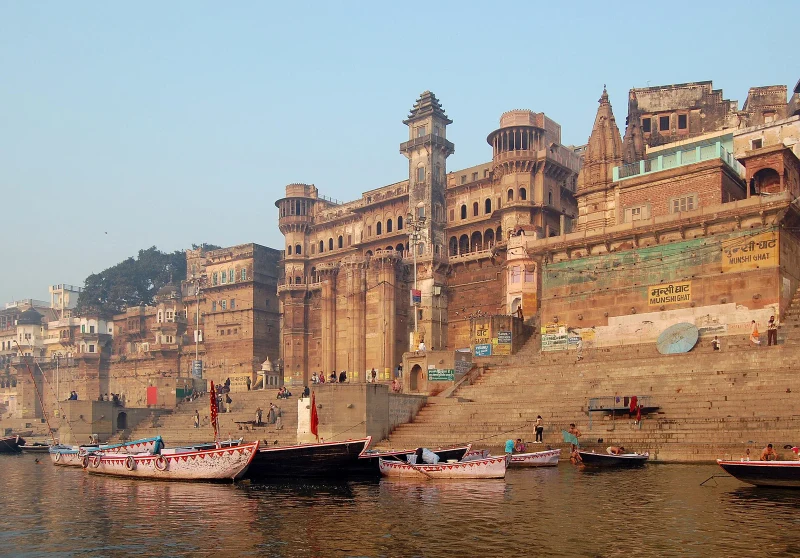
Past the ghats, and an excursion to Sarnath
The route
Delhi → Agra → Jaipur → Varanasi → Abhaneri → Amber → Fatehpur Sikri
7 cities, 8 nights.
Day by day
Every day planned with TWTS care: a comfortable pace and the essentials already taken care of.
Arrival in Delhi. Our representative meets passengers outside Gate 5, holding a sign with their name. Welcome and transfer to the hotel. Check-in from 2 pm. Overnight.
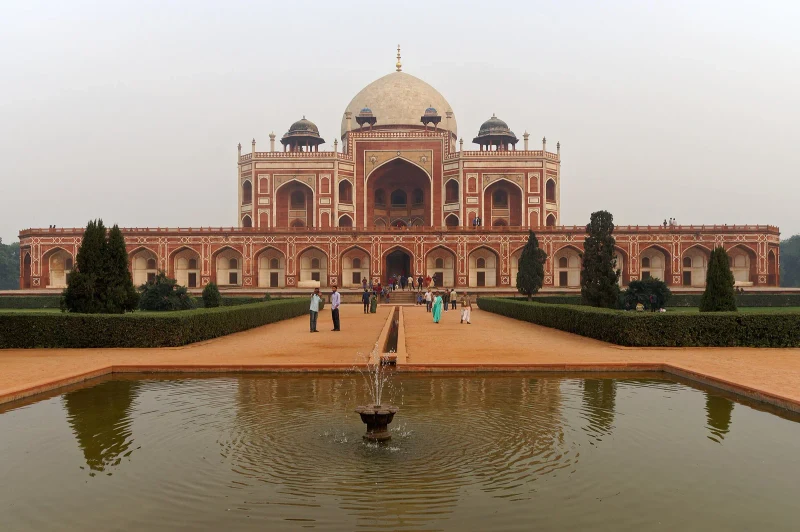
Delhi, the modern capital of India, is also a very old city, with origins lost in legend. Hundreds of monuments adorn it, with a history that spans millennia. From here, many Hindu and Muslim dynasties, among them the Mughals, ruled India. At least 7 successive cities existed here before the arrival of the British, who created, through Sir Edwin Lutyens, the capital they dreamed of.
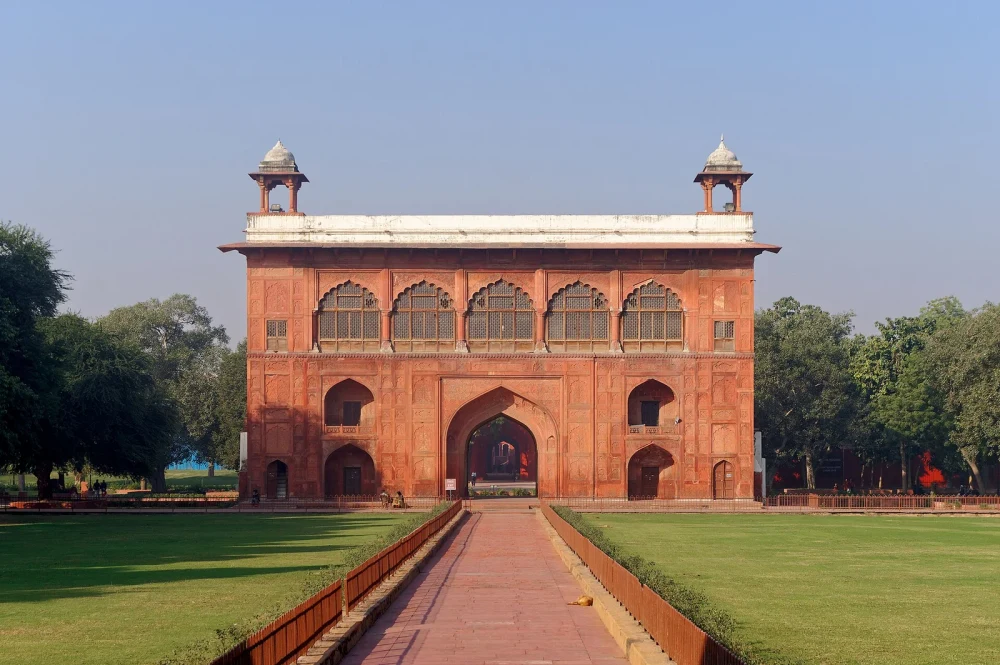
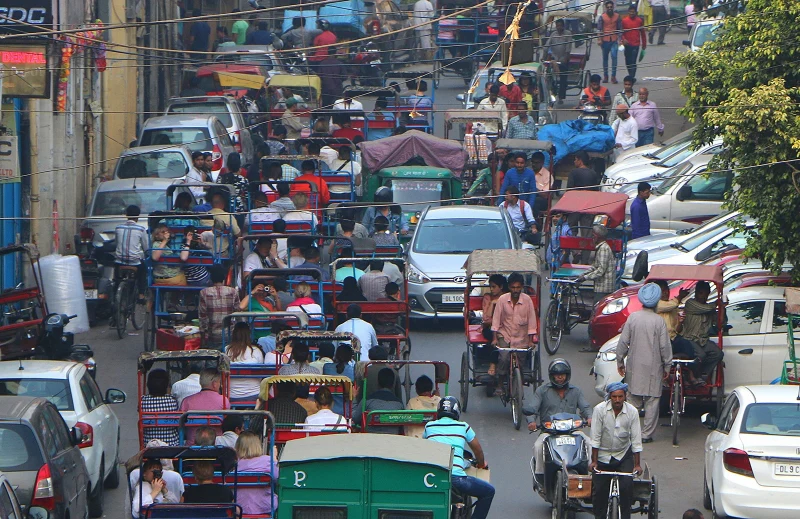
Breakfast. The visit begins with a photo stop at the Red Fort. Nearby is Chandni Chowk, once an imperial avenue where Shah Jahan liked to ride his horse. From there, the route passes through the lanes of Old Delhi and the Jama Masjid mosque, one of the largest in India, built by the Mughal emperor Shah Jahan in the 17th century. Next, a visit to Gandhi's tomb and a drive through New Delhi to see India Gate, the Presidential Palace and Parliament. Visit to a Sikh temple, with 10 minutes seated to watch the visitors and hear the prayer. After lunch, a visit to New Delhi shows the Qutab Minar (12th century), slender and with its shaft carved entirely by hand. Nearby stands the Iron Pillar, which has survived 1500 years of history without shaking and has not even rusted. Return to the hotel. Dinner and overnight.
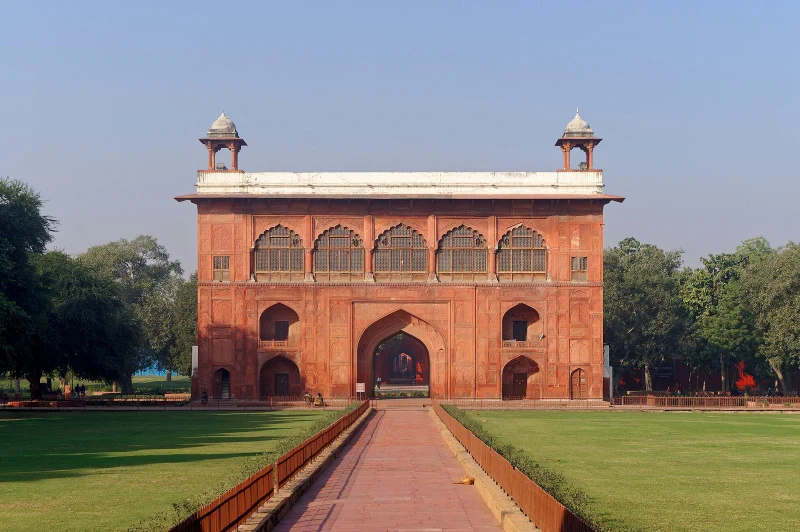
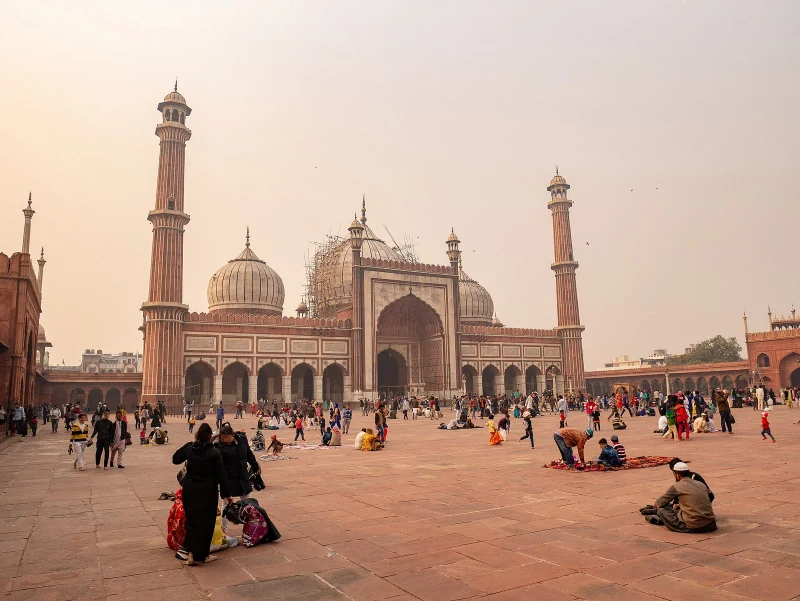
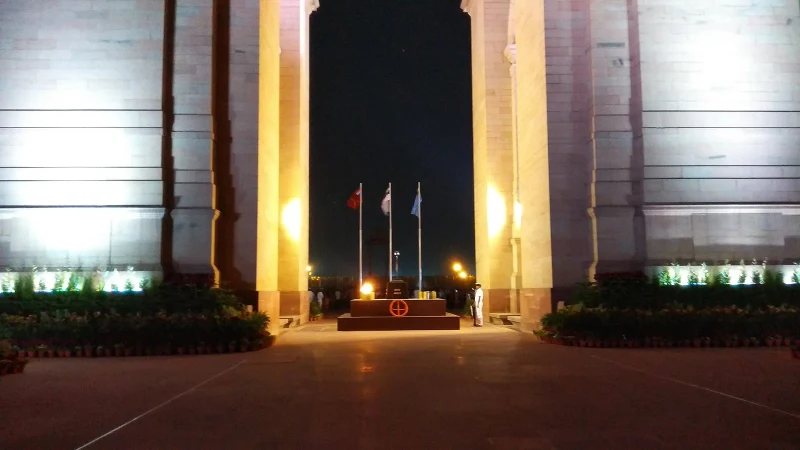
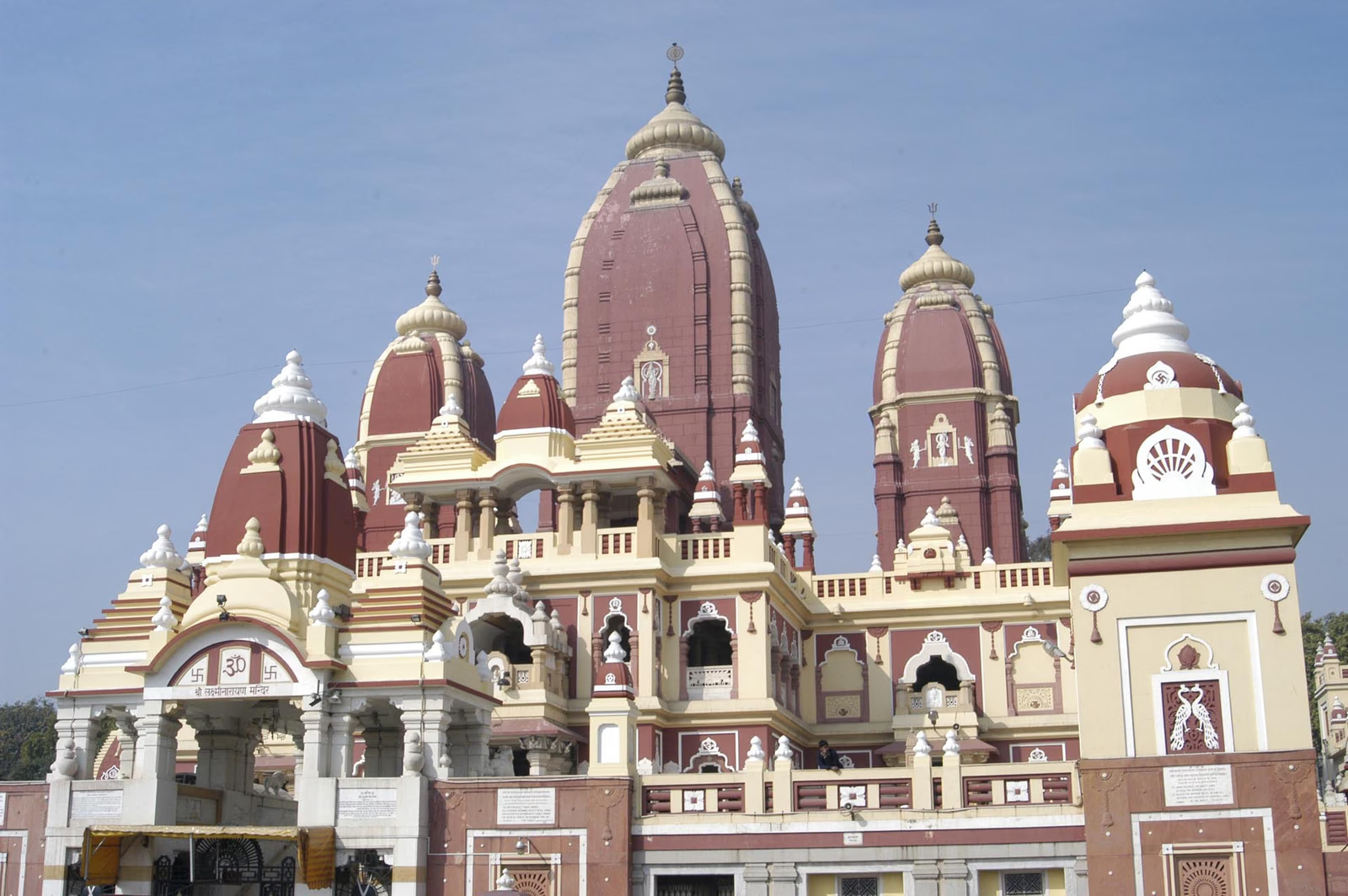
Breakfast. Departure for Jaipur, the pink city of Rajasthan. Jaipur is one of the most picturesque cities in the world. It was built according to the canons of the Shilpa Shastra, the ancient Hindu treatise on architecture. Divided into seven rectangular sectors, with well-laid streets and right angles, its layout is a marvel of 18th-century urban planning, when not even Europe had a similar system. Surrounded by steep hills on three of its cardinal points, the city is protected by a powerful fortified wall with seven gates. In the afternoon, a panoramic visit of the city, with an orientation tour and a view of Albert Hall (a palace built by the maharaja of Jaipur to mark the visit of King George of England, now a museum). Next, a visit to the Birla Temple, of the Hindu religion. Dinner and overnight.
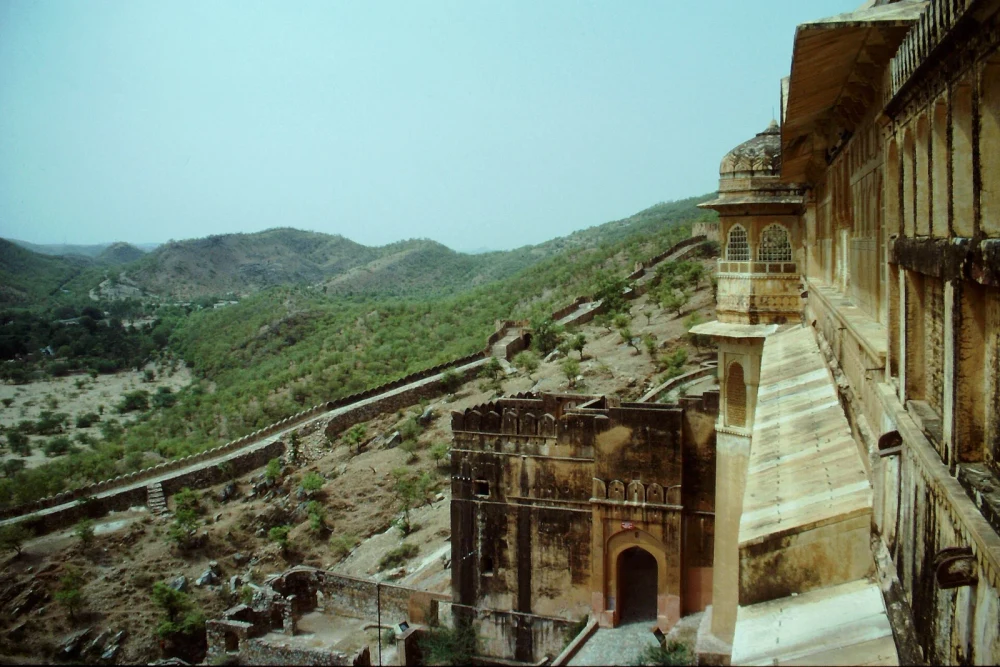
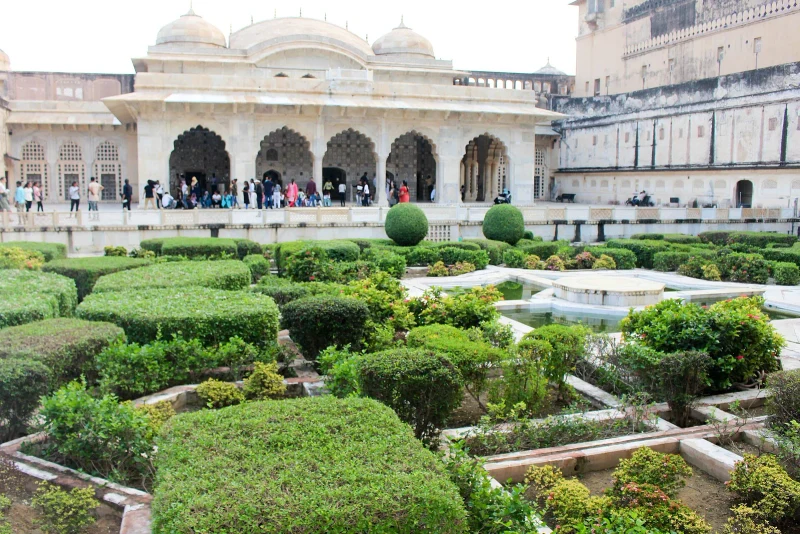
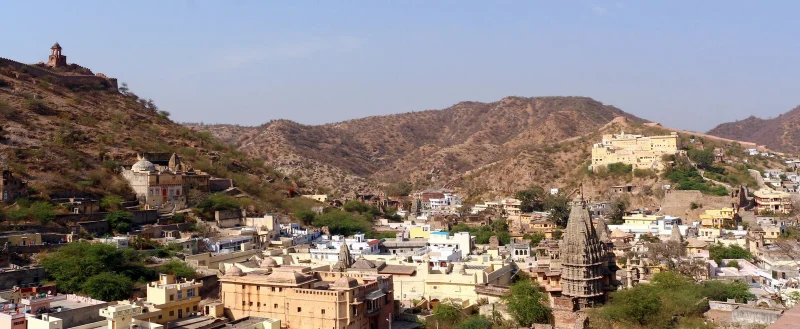
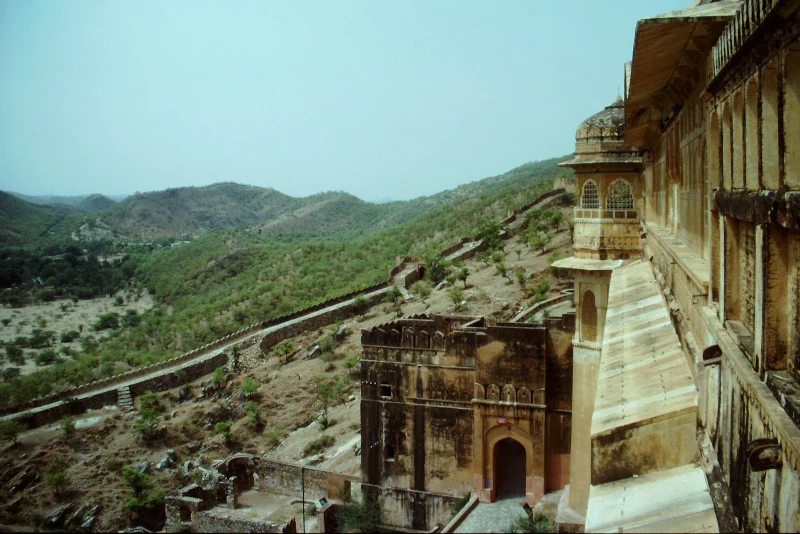
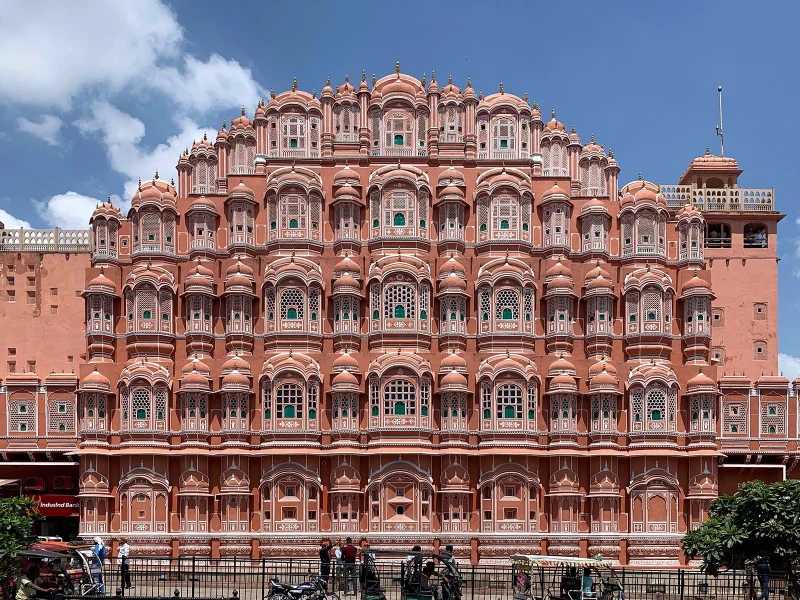
Breakfast. In the morning, departure to visit Amber Fort, the former capital of the state until 1728. The climb to the top of the hill where the fort stands is made on elephant back. Continuation with the panoramic visit of Jaipur (named after the maharaja Jai Singh, a prince and astronomer, who designed and founded the city in 1727). Visit to the astronomical observatory and the Maharaja's Palace, the former royal residence and now a museum of manuscripts, Rajput and Mughal paintings and weapons. Drive through the residential and shopping areas of the "pink city", past the Hawa Mahal (Palace of Winds), one of the best-known monuments of Jaipur. Dinner and overnight.
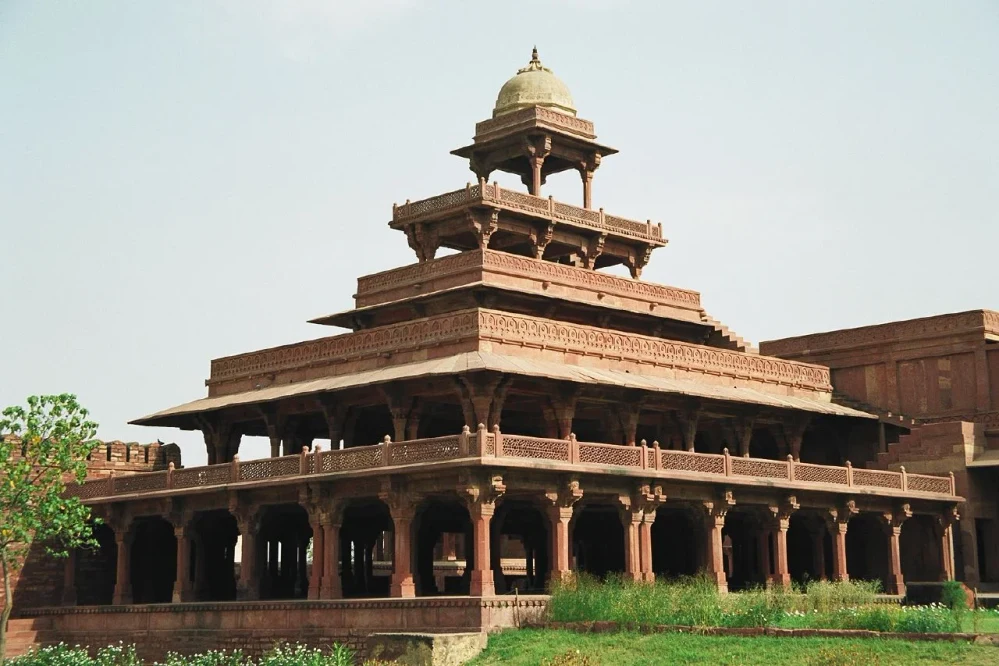
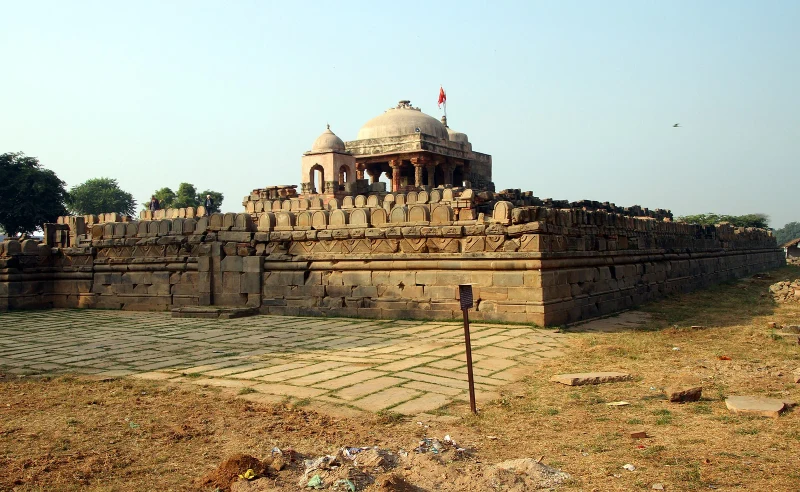
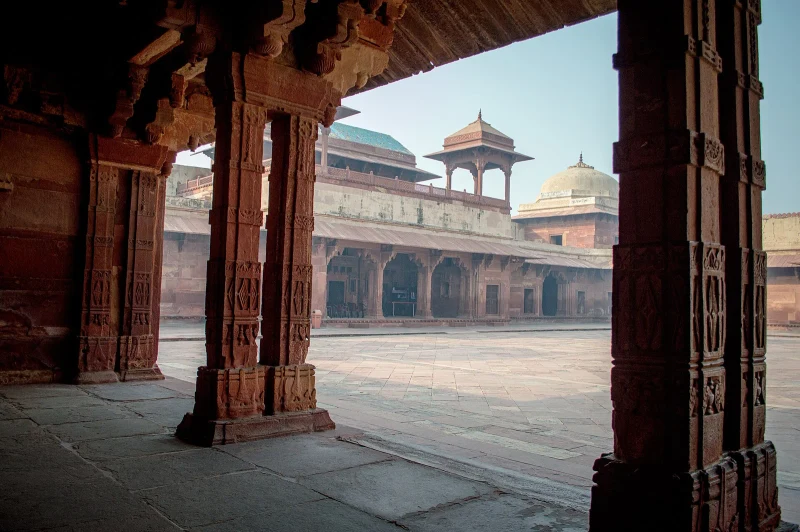
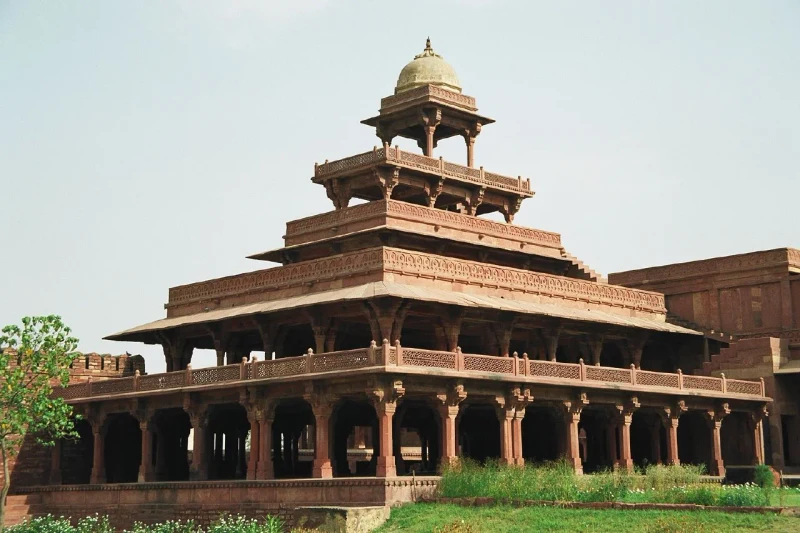
Breakfast. On the way, a visit to the Abhaneri stepwell, in the village of Abhaneri, near Jaipur, in the state of Rajasthan. It stands opposite the Harshat Mata temple and is one of the largest and deepest in India. It was built in the 9th century and has 3300 steps, 13 levels and a depth of 100 feet, and it was rebuilt in the 10th century. Continuation to Fatehpur Sikri, the dead city, built by the emperor Akbar in 1569 and abandoned for lack of a water supply. The buildings of the city are remarkably well preserved, especially the Jama Masjid mosque, the tomb of Salim Chisti, the Panch Mahal and other sites. Arrival in Agra. Dinner and overnight.
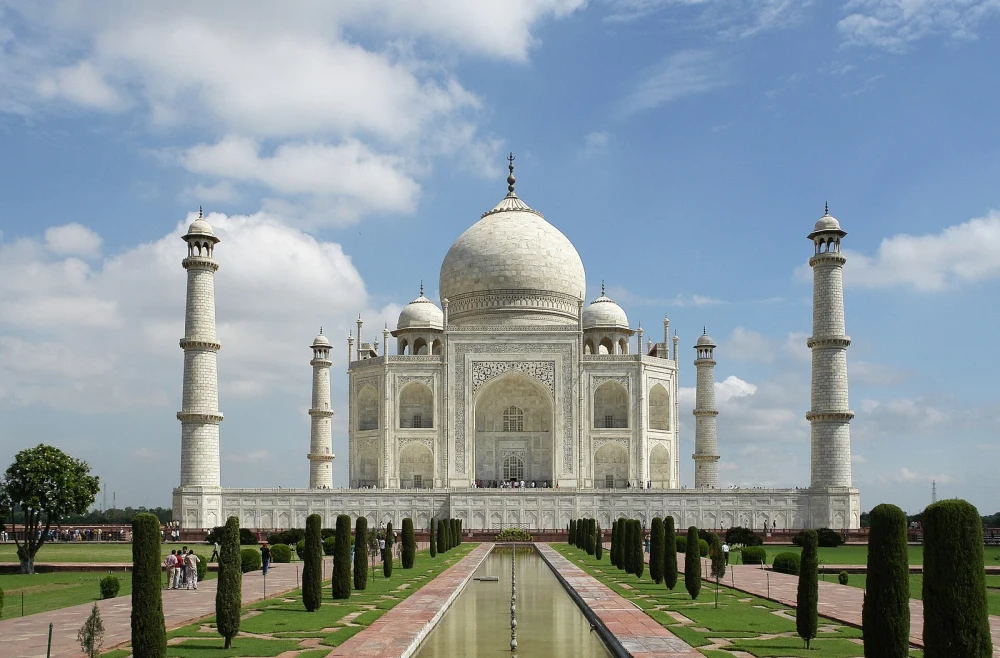
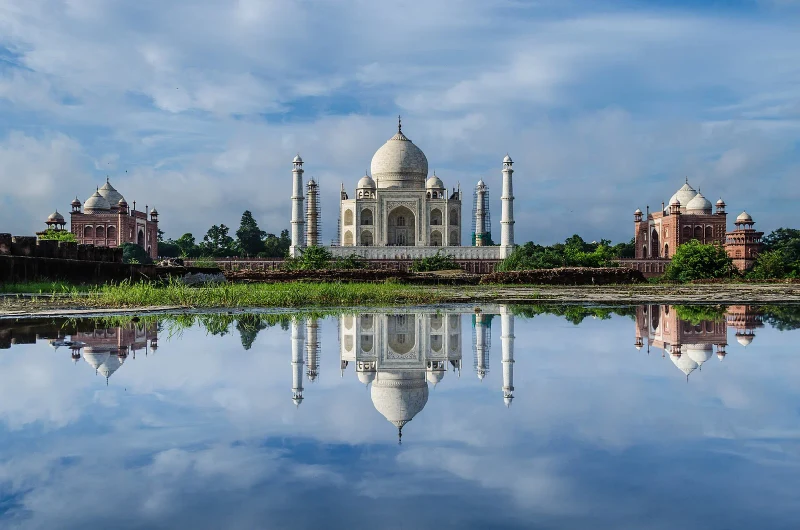
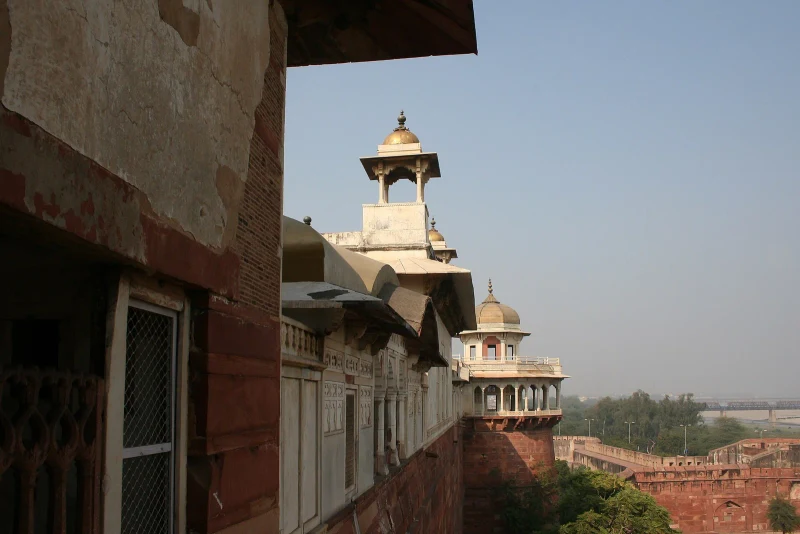
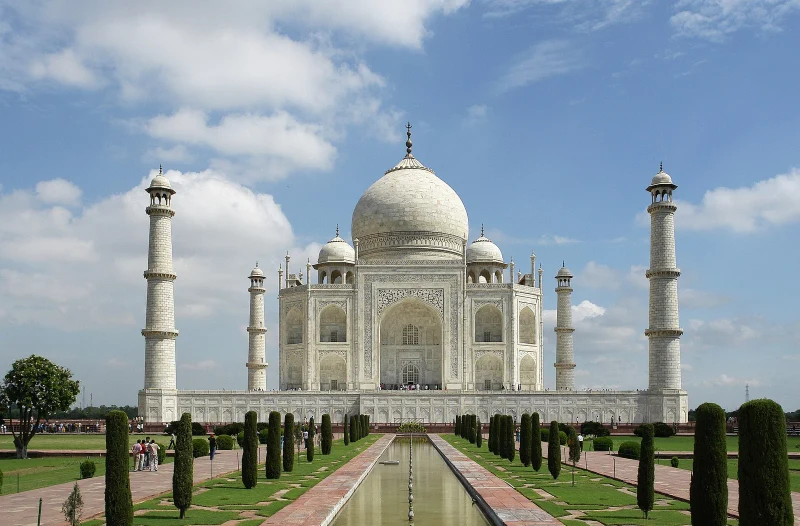
Breakfast. Visit to one of the most important monuments in the world, the Taj Mahal, a song to love built by the emperor Shah Jahan in 1630 as the mausoleum of his queen, Mumtaz Mahal. This architectural marvel, of harmonious proportions, was built entirely in white marble. Artisans from Persia, the Ottoman Empire, France and Italy took 17 years to complete it, helped by 20,000 workers. (The Taj Mahal closes on Fridays, a Muslim holy day.) Next, a visit to the Agra Fort, in the heart of the city. It reflects Indian architecture under three Mughal emperors: Akbar, Jehangir and Shah Jahan. The complex holds interesting structures, such as the Jehangiri Mahal, the Anguri Bagh, the Khas Mahal and the Moti Masjid mosque. Dinner and overnight.
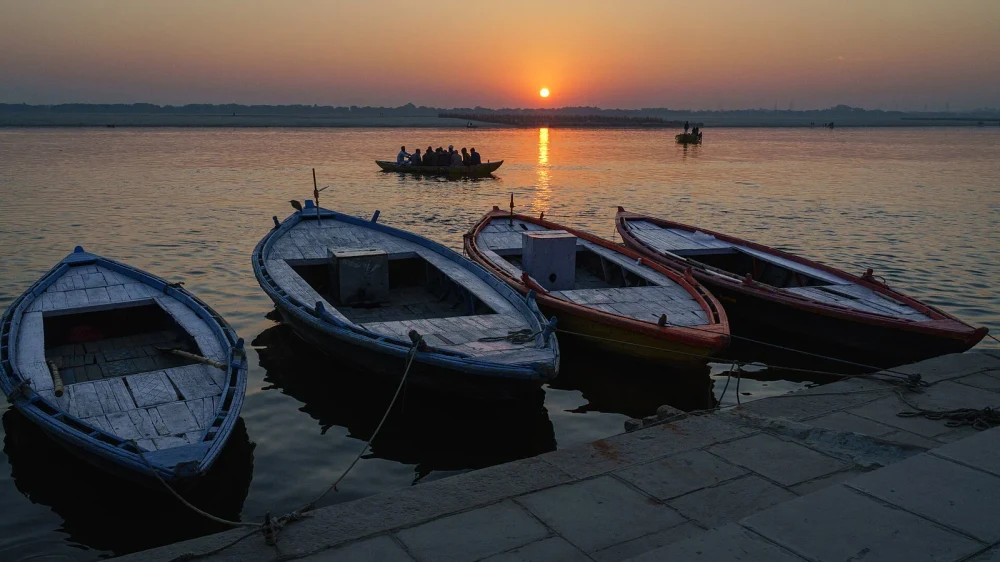
Breakfast. At 5:00, transfer to the train station to board for Varanasi. The train journey is part of the experience. Arrival and transfer to the hotel. In the afternoon, a visit to the Bharat Mata temple, with its large marble relief of India, and then to the Ganges River, to watch the evening "Aarti" ceremony. Dinner and overnight.
At daybreak, a boat ride on the sacred Ganges River to see the "Ghats", the stairways used for ritual bathing, and the cremation sites. Watching the faithful bathe and worship the river at the Ghats is one of the most striking experiences a traveler can have in India. Millions of pilgrims come to purify themselves in the river's waters, attend ancient rites, consult astrologers and cast out negative karma. Walk through the lanes of the old city to see how the Hindu religion is present in people's daily lives. Pass by the Durga temple, the Tulsi Manas Mandir and the Banaras Hindu University. Return to the hotel and breakfast. Excursion to Sarnath, the buried Buddhist city, where Buddha gave his first sermon. Sarnath was a renowned center of learning from the 6th century BC to the 12th century AD. Visit to the ruins, the Stupa, the Buddhist Temple and the Museum. Dinner and overnight.
Illustrative image Breakfast. Transfer to the airport to board a scheduled flight to Delhi. Arrival in Delhi for the connection to the return flight. End of services.
Hotels
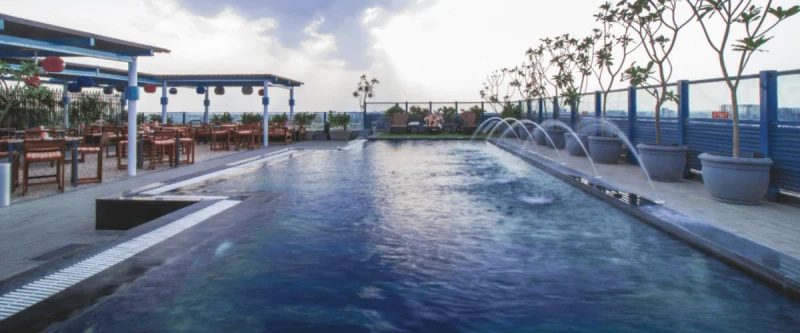
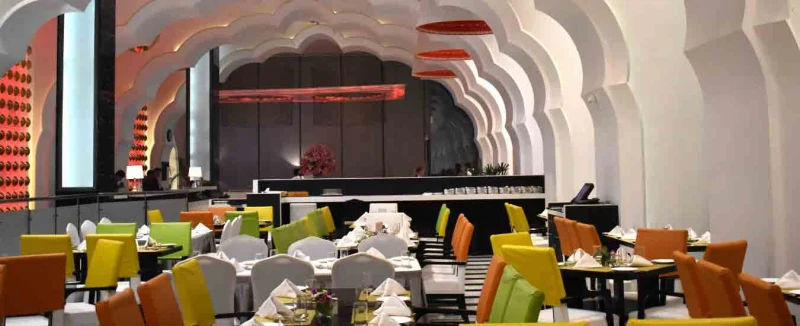
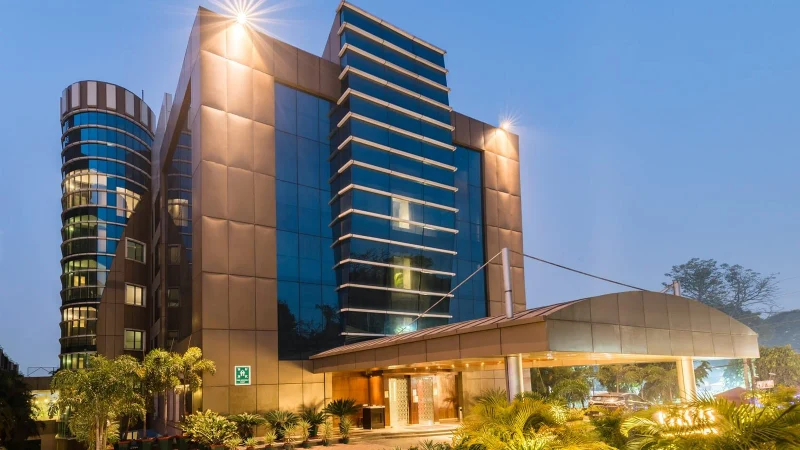
Planned hotels or similar, in the same category.
Why “or similar”?
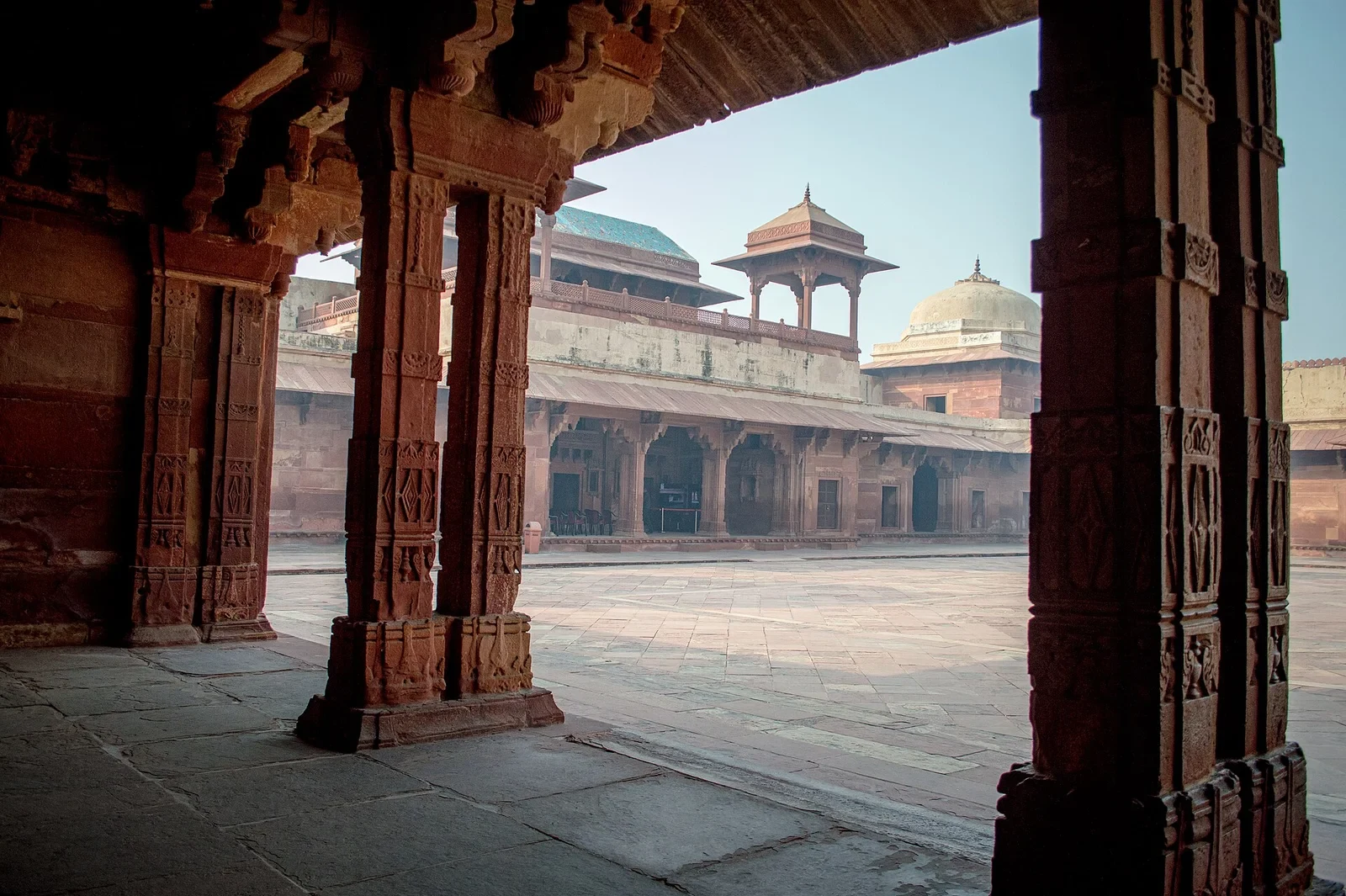
These are the hotels planned for the trip. TWTS books well in advance, but a hotel can change close to departure for reasons outside its control: renovation work, a large event in the city, a change in how the hotel operates.
When that happens, TWTS replaces it with another hotel in the same category and an equivalent location, and your consultant lets you know before the trip. The photos are updated when the accommodation changes.
What's included
You choose the trip. TWTS takes care of the rest: someone who meets you at the airport, someone who answers in the middle of the night, someone who solves the unexpected.
24-hour assistance during the trip
If something goes off plan, you can call TWTS at any hour, even in the middle of the night.
We meet you at the airport
On arrival, someone is waiting to take you to the hotel. On the way back, from the hotel to the airport.
One consultant from start to finish
The same person looks after your trip from the first contact until you are back home.
Help with documents and visas
We tell you what each country requires and help you sort it out in time, without the rush.
Good to know before you book
Travel documents required:
India: Brazilians need a visa. The e-Visa is requested online at least 4 days before arrival. The passport must have at least 6 months of validity on the application date. Brazilians must present the International Certificate of Vaccination against yellow fever (from 9 months of age), even when arriving in India from another country. Without it, the traveler may be isolated for up to 6 days.
Please confirm the visa and vaccination requirements with your TWTS consultant at the time of booking.
Passengers of other nationalities must check with the destination's consulate.
Prices
Trip price
R$ 8,982 + IOF (R$ 0)
US$ 1,525 · market reference
per person, sharing a double room
You pay TWTS in Brazilian reais, by Pix, bank transfer or credit card. The price in foreign currency is the market reference, converted at the exchange rate on the day you pay.
Departures every Monday, Wednesday and Friday, 04/16/2027 to 04/10/2028
| Period | Category | Per person |
|---|---|---|
| from Apr 16 to Sep 15, 2027, 66 departures | Category A | R$ 9,542 |
| from Sep 17, 2027 to Apr 10, 2028, 82 departures | Category A | R$ 11,662 |
| Dec 17, Dec 20 and Dec 22, 2027 | Category A | R$ 12,398 |
| from Dec 24 to Dec 31, 2027, 4 departures | Category A | R$ 12,575 |
| from Apr 16 to Sep 15, 2027, 66 departures | Category B | R$ 8,982 |
| from Sep 17, 2027 to Apr 10, 2028, 82 departures | Category B | R$ 10,779 |
| Dec 17, Dec 20 and Dec 22, 2027 | Category B | R$ 11,338 |
| from Dec 24 to Dec 31, 2027, 4 departures | Category B | R$ 11,515 |
Quote
A TWTS consultant replies with prices, availability and anything else you need to decide. No commitment.
The link opens the full itinerary page. The ready-made Stories image has a photo, the dates and the trip highlights.
We couldn't create the image right now.